Micron shows a 512GB DDR5-9200 RDIMM at 16 watts, with volume production not until the second half of 2027
Micron's 512GB DDR5 RDIMM stacks TSV-connected dies to reach 12TB in a 24-slot server, and draws 16.0W against 44.2W for four 128GB modules.
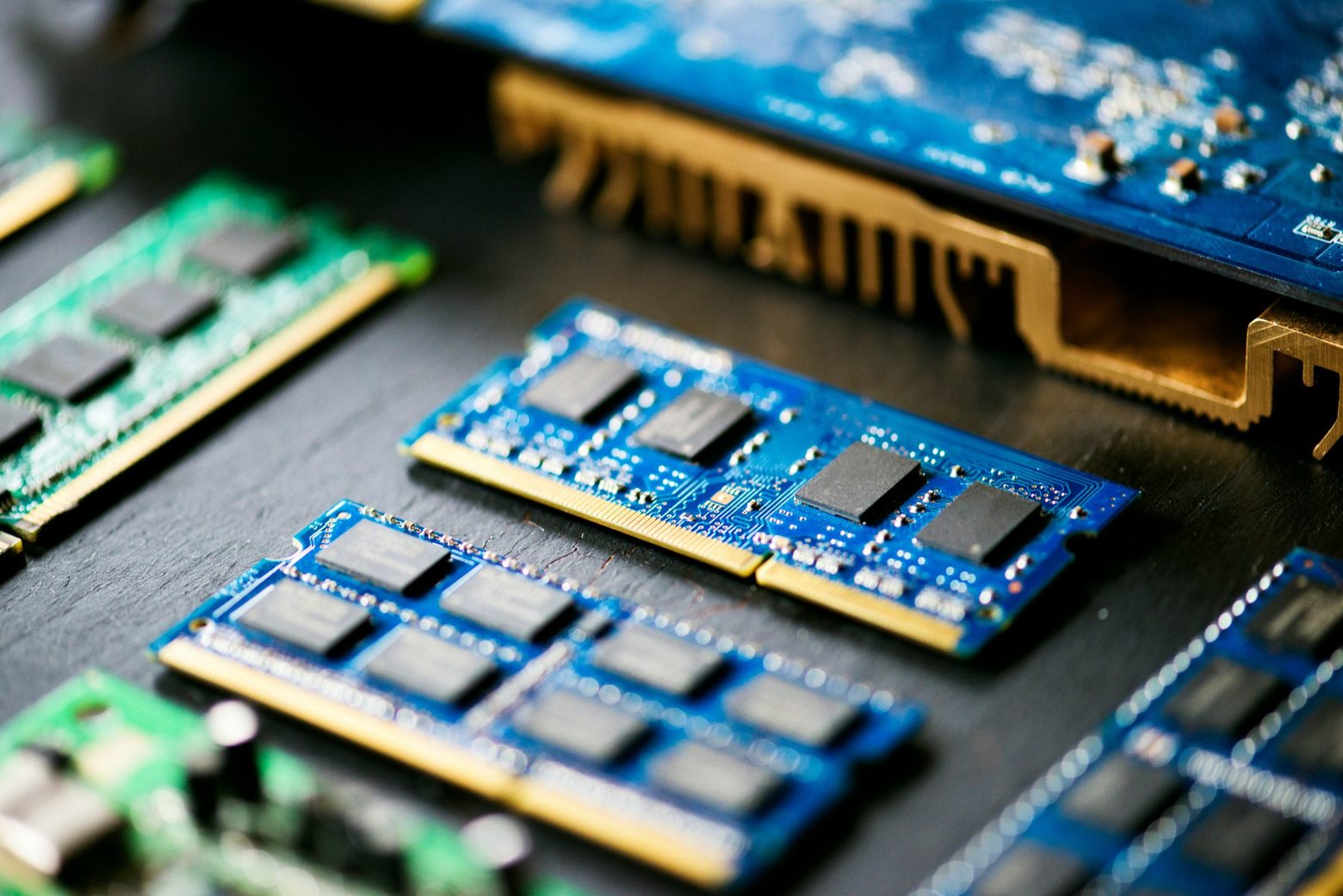
Micron announced on September 15 what it calls "the successful demonstration of the world's first 512GB DDR5 module on multiple server platforms." It is a registered DIMM (RDIMM) rated for up to 9,200 MT/s, and it is not shipping yet: "Micron expects 512GB RDIMMs to be in volume production sometime in the second half of 2027 aligned to customer needs."
How it gets to 512GB
The capacity comes from packaging, not from a denser die that Micron names. The release says the product "vertically stacks DRAM dies interconnected by through-silicon vias (TSVs) to maximize density within individual DRAM packages." It does not give the die density, the stack height, the process node or the rank organization.
The headline system figure is simple arithmetic Micron states outright: "The module enables up to 12TB of DDR5 DRAM in a single 24-slot dual-socket server." Twenty-four slots at 512GB each is 12,288GB.
On speed, the wording is future tense. AMD and Intel "are both actively validating the module, which will deliver speeds up to 9,200 MT/s." Neither company's quote in the release names a platform or confirms a supported speed. Intel's Karin Eibschitz Segal says Intel is working with Micron "to validate its 512GB DDR5 RDIMM and help enable future server platforms." Validation on unnamed next-generation platforms is where this stands.
The power claim, checked
Micron says the module cuts operating power "by more than 60% compared with four 128GB RDIMMs," and its footnote gives the basis:
Based on 16.0W for one 512GB module compared with the 44.2W total for four 128GB modules.
Micron press release footnote, September 15, 2026
The numbers hold: 16.0W is 36.2% of 44.2W, a 63.8% reduction for the same 512GB. Per gigabyte that is about 0.031W against 0.086W.
What the footnote does not say is at what speed, load or temperature either figure was measured, or which 128GB modules served as the baseline. It is also a comparison across different slot counts: four modules in four slots against one module in one. A server that fills all 24 slots with 128GB modules has 3TB; the 512GB version has 12TB. The saving is real for a fixed capacity, but a system with fewer populated slots is a different memory configuration, so read the 60% as a capacity-per-watt figure, not a promise about a whole server's power bill.
The performance claim, less so
The release says that for "memory-bound workloads such as Spark Support Vector Machines (SVM)-based data analytics, Micron 512GB RDIMMs can deliver up to 1.4 times higher performance compared to 256GB DDR5 configurations." No footnote defines "256GB DDR5 configurations" (per module or per system), the dataset size, or the platform. A workload that no longer fits in RAM will speed up when it does; that the gain is "up to" 1.4x says more about the test than the module. RocksDB and Redis are named as beneficiaries with no numbers at all.
Why it matters
For anyone sizing in-memory databases, large VM hosts or local inference boxes, the useful facts are the ceiling (12TB in 24 slots), the power per gigabyte, and the date. The second half of 2027 is a year or more away, and Micron's own forward-looking-statements section, which covers the module's performance, validation and production timing, warns of risks that "could cause actual results to differ materially." Plan with the date, not the demo.
Primary sources: Micron press release, "Micron Advances Memory Innovation With the World's First Ultra-Dense Module for Next-Generation Servers" (full text also via GlobeNewswire syndication), read 2026-09-18.