Updated 07:30
The carbon that wasn't in the chip
An open academic model replaced a database lookup, and a third of the reported footprint went away. What the post shows, and what it keeps back.
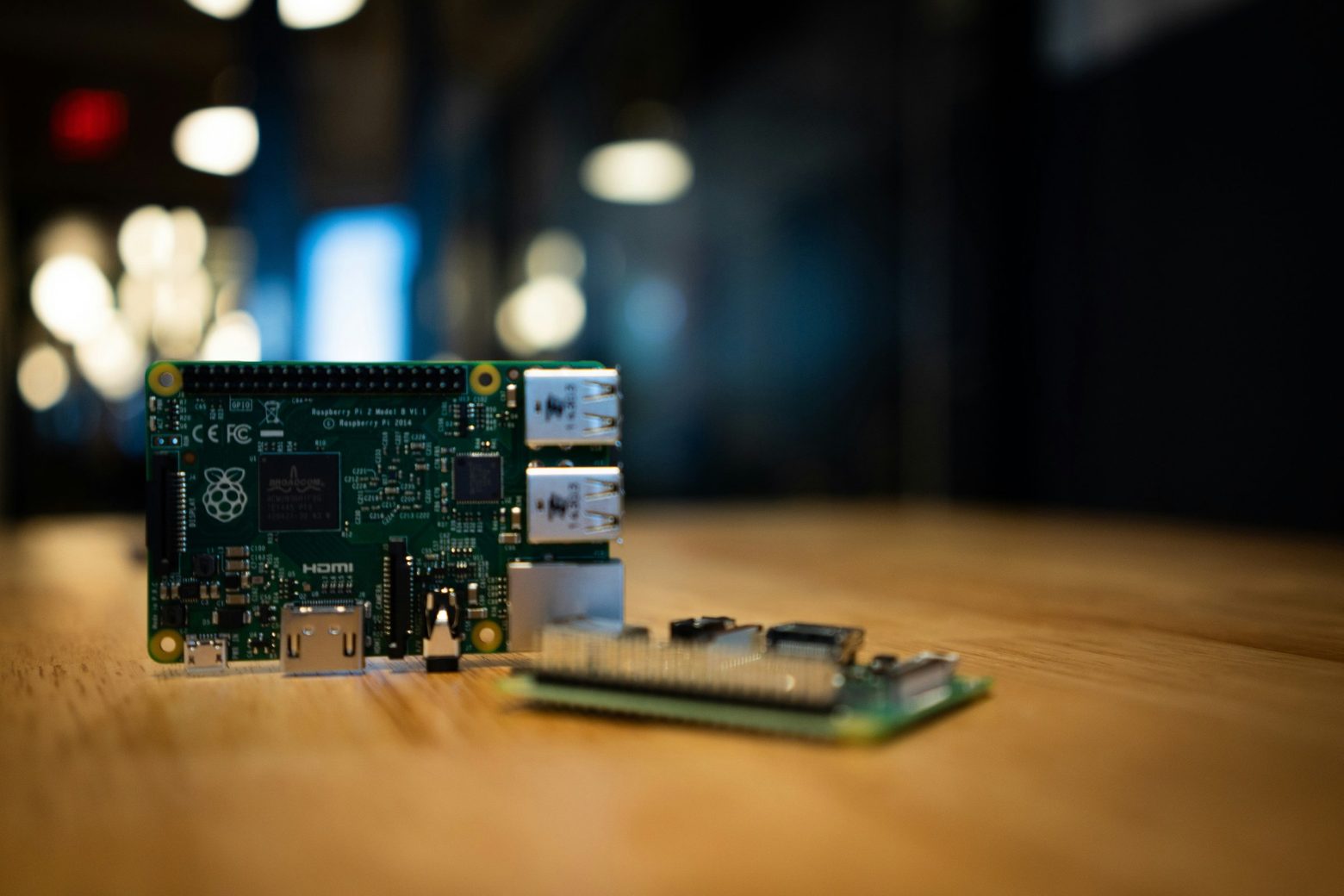
On August 28, Raspberry Pi's Roger Thornton published a short post with a large number in it. After replacing the weight-based estimate of its chips' embodied carbon with a model that accounts for how the chips were made, the company says its product life cycle assessments dropped by about 30%. Nothing in the products changed. The number did.
Why weight was the wrong proxy
The post opens by recalling the previous method: "weighing each component, mapping those weights to the ecoinvent database, and working with our partners to build a full life cycle assessment (LCA)." The August post explains where that breaks: "Mapping a component to an emissions figure by its weight works well for a great many materials. However, the carbon embodied in a piece of silicon is affected by both weight and how it was made: the process node, the die area, the number of manufacturing steps, the energy intensity of the fab, and the manufacturing yield."
The company's reading of its own earlier numbers is candid. "Treating our chips as generic mass, mapped to a broad semiconductor dataset, left us with figures that we increasingly felt overstated the true emissions of the silicon we actually use. We were confident the number was conservative — but conservative isn't the same as correct."
What replaced it
The new figures come from MicroGreen, built by researchers at Cornell Tech and Columbia on top of ACT, the Architectural Carbon Modeling Tool from Harvard and Meta. Per the post, the model works "from the properties that actually contribute to it: die area, process technology, manufacturing yield, and the emissions from the fabrication process itself."
Both tools are public. ACT's repository describes "an analytical, architectural carbon-footprint model" that accompanies the ISCA 2022 paper "ACT: Designing Sustainable Computer Systems with an Architectural Carbon Modeling Tool" by Gupta et al., and is licensed CC BY-NC 4.0. MicroGreen is on GitHub under an MIT license and is the framework behind "A Greener Edge: A Framework on Carbon-aware Edge ML System Design", a MobiSys 2026 paper by Xuesi Chen, Ilan Mandel and Udit Gupta of Cornell Tech with Eren Yildiz and Josiah Hester of Georgia Tech. Raspberry Pi says it "worked directly with Udit Gupta, Ariel Goldner, and Xuesi Chen" and, together, "worked through the specifics of our silicon, matching the model to the chips we really ship rather than an industry average."
By modelling our silicon properly, we've reduced our overall product LCA by around 30% — not by changing anything about the products themselves, but by finally understanding their emissions accurately.
Roger Thornton, Raspberry Pi
What the post does not say
The post is careful about method and silent about inputs. It names no chip, no process node, no foundry, no die area, and no yield figure. It gives no per-product before-and-after, only the aggregate "around 30%". It does not say whether the reduction is uniform across the range or concentrated in the products with the largest dies. It does not say whether the company's published product carbon footprints will be reissued with the new figures, or when.
That matters because of the direction of the correction. A methodology change that lowers a company's reported footprint by a third deserves the same scrutiny as one that raises it, and the only evidence on offer today is this post. The tools are open and the paper is published, so the inputs could be shown. Until they are, "around 30%" is a claim about a model, not a measurement.
The company's own framing of the value is reasonable: "A more accurate model isn't just about a lower headline number; it ensures the figures we report reflect reality, and that the decisions we make from here in design, sourcing, and where we focus our efforts are built on firm ground." Firm ground is easier to check when the numbers are on the table.
Primary sources: A better model for silicon: quantifying chip carbon with Columbia and Cornell, MicroGreen on GitHub, ACT on GitHub, MobiSys 2026 accepted papers, read 2026-09-04.