Anthropic halves the prompt-cache minimum: 512 tokens on Opus 5 and Fable 5
The minimum cacheable prompt drops from 1,024 to 512 tokens on the Claude 5 flagships. Two usage fields tell you whether your prompts qualify.
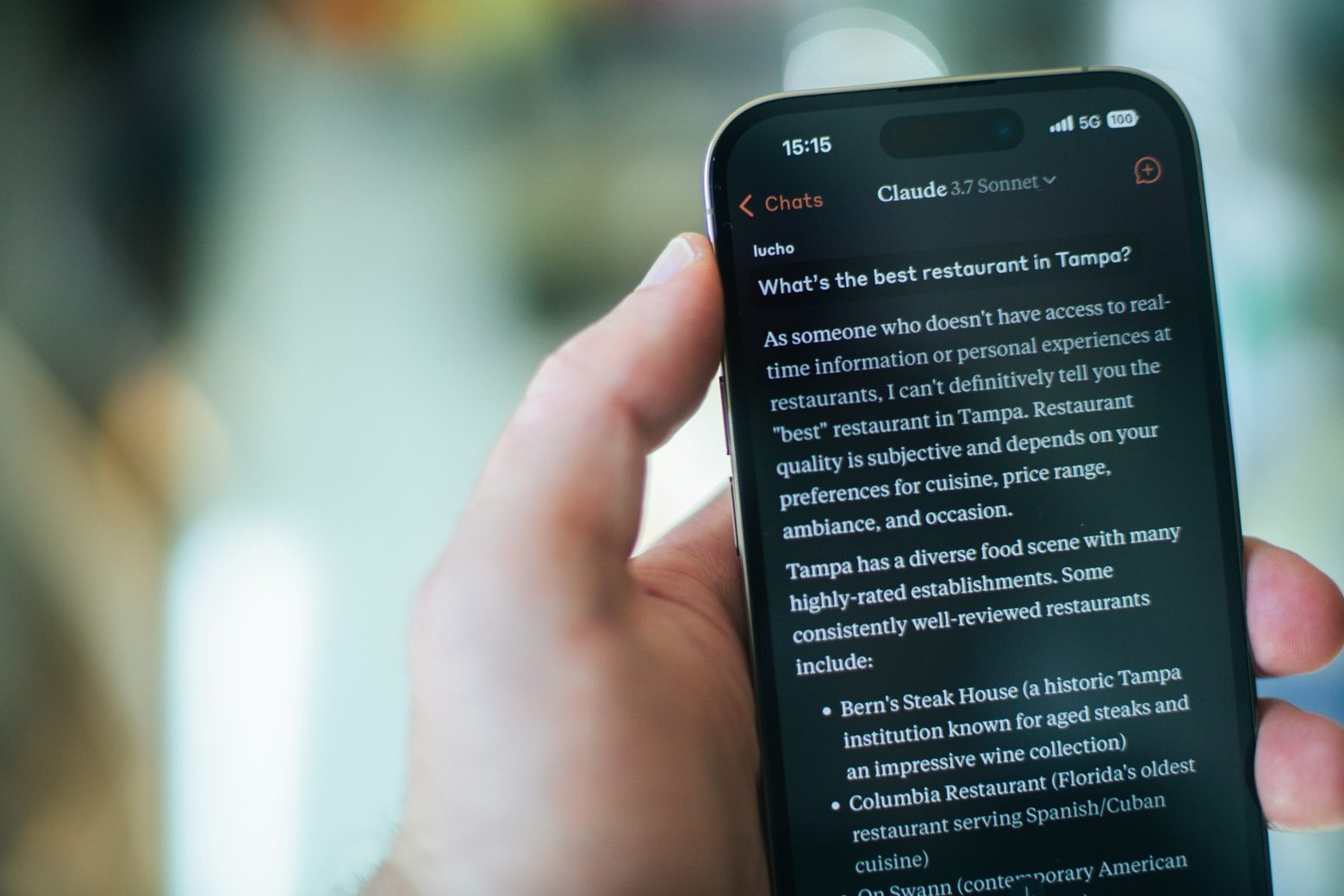
Prompt caching has one silent failure mode: a prompt shorter than the model's minimum is processed normally and simply never cached. No error, no warning — just a cache that never hits. Which makes the minimum itself the number that decides whether the feature exists for your workload.
What changed
Anthropic's prompt-caching documentation now lists 512 tokens as the minimum cacheable prompt length for Claude Opus 5, Claude Fable 5 and Claude Mythos 5. The previous floor for the Opus and Sonnet lines — and still the floor for Claude Opus 4.8, Sonnet 5, Sonnet 4.6, Sonnet 4.5, Opus 4.1 and Opus 4 — is 1,024 tokens.
The per-model table is worth reading in full, because the minimum is not monotonic with model age: Opus 4.7 sits at 2,048 tokens, Opus 4.6, Opus 4.5 and Haiku 4.5 at 4,096. The number belongs to the model, not the generation, and a workload that moves between models crosses these thresholds without any change to the prompt.
Why 512 matters
A system prompt in the 512–1,023 token range — a couple of paragraphs of instructions and a handful of few-shot examples, which describes a very large share of production prompts — was uncacheable on every previous Opus and Sonnet model. On Opus 5 and Fable 5 it caches.
The economics are documented on the same page: cache reads bill at 0.1× the base input-token price; cache writes at 1.25× for the default five-minute TTL, or 2× for the one-hour TTL. A prompt re-sent more than a handful of times inside the TTL pays for its write and then reads at a tenth of the price for every request after.
The five-minute check
You do not have to take the table's word for it — the API reports cache behavior on every response. Mark the prompt with a breakpoint:
{
  "model": "claude-opus-5",
  "max_tokens": 1024,
  "system": [
    {
      "type": "text",
      "text": "<your 512-1023 token system prompt>",
      "cache_control": {"type": "ephemeral"}
    }
  ],
  "messages": [{"role": "user", "content": "First request."}]
}
Send it twice within five minutes and read usage on both responses. Per the documentation, cache_creation_input_tokens reports tokens written to the cache and cache_read_input_tokens reports tokens read from it. A prompt above the model's minimum shows a write on the first response and a read on the second; a prompt below the minimum shows zero in both fields on every response — the silent no-op. Run the identical pair against claude-sonnet-4-6 and a 600-token prompt stays at zero, because there the floor is still 1,024.
The fine print
Two caveats carry over unchanged. The cache key covers the prompt prefix and the request configuration — Anthropic's extended-thinking documentation demonstrates a thinking-budget change alone re-creating a 1,370-token cache — so a config that changes per request can defeat a cache the token count qualifies for. And the minimum applies per cache breakpoint against the whole prefix before it, so where you place cache_control still decides what is eligible.
Primary source: Anthropic's Prompt caching documentation, read 2026-07-30.