Updated 06:56
The FCC never said 'robot vacuum.' Its new rule almost certainly covers yours
Not a ban on what you own, not aimed at any country, and not a rulemaking you can comment on — a definition, quietly effective the day it published.
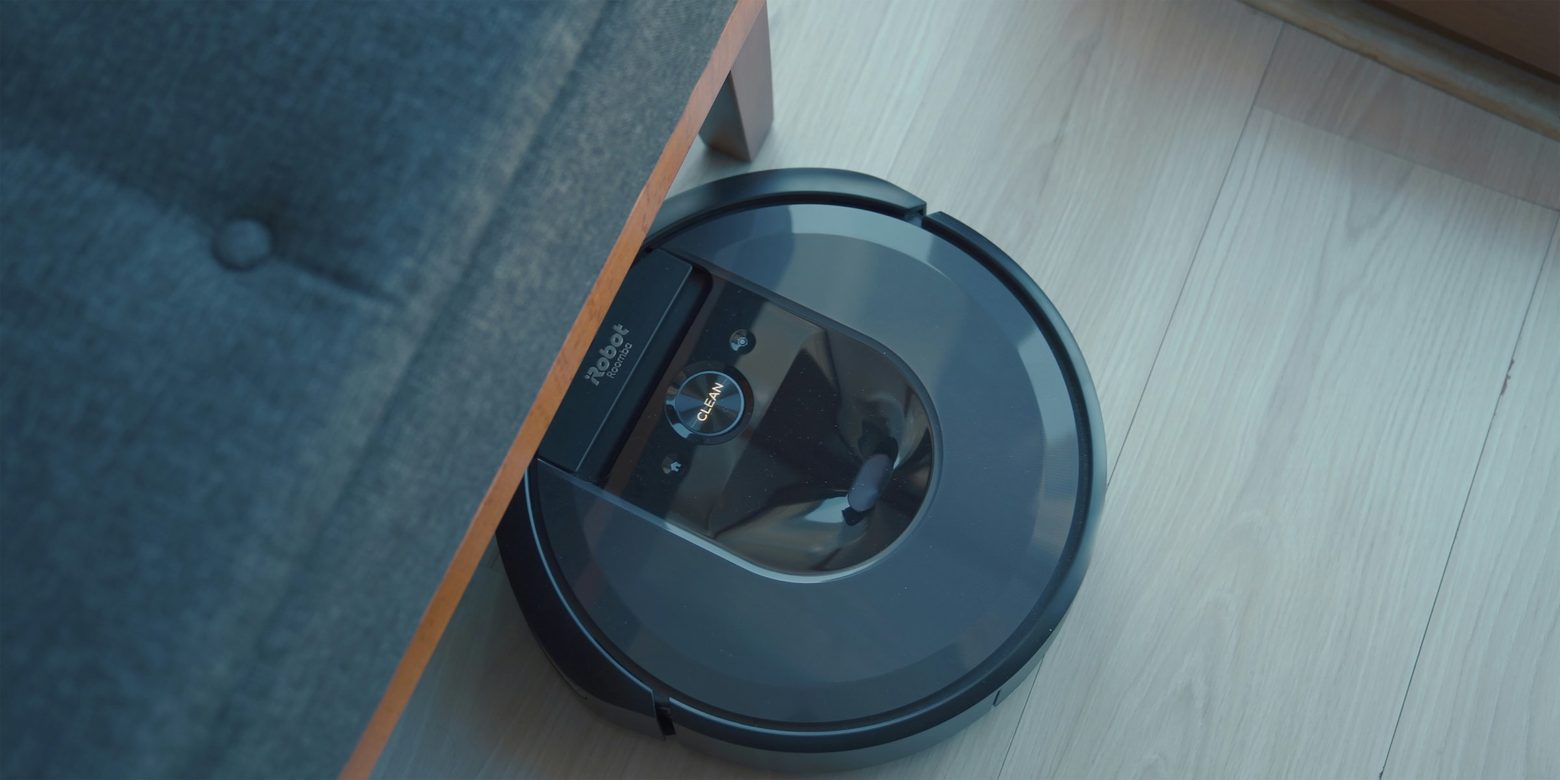
Read the headlines and the FCC banned foreign robot vacuums. Read the FCC's actual documents and the word vacuum is not in any of them. Both of those things are true at once, and the gap between them is the whole story.
On 28 July, the FCC's Public Safety and Homeland Security Bureau added "foreign-produced advanced robotic devices" to the FCC's Covered List. The exact language: "We update the Covered List to include... 'Foreign-produced advanced robotic devices, except advanced robotic devices which have been granted a Conditional Approval by DoW.'" No brands. No product categories. A definition.
What the order does — and what it does not
Being on the Covered List means one specific thing: covered equipment is barred from receiving new FCC equipment authorizations, which most electronics need before they can be imported, marketed, or sold in the United States. So the practical effect is that new models of foreign-produced advanced robotic devices are blocked from the U.S. market going forward.
What it is not is a ban on what you already have. The FCC's own fact sheet is unusually direct about this: "today's action does not impact a consumer's continued use of devices they previously acquired. Nor does it prevent retailers from continuing to sell, import, or market relevant models approved previously through the FCC's equipment authorization process." Models authorised before 28 July can still be sold. Devices already in homes keep working — and, per a companion waiver, keep receiving security and firmware updates "at least until January 1, 2029."
Two more things it is not. It is not aimed at China: "Is this action targeted at any country or countries? No, this action is country neutral." "Foreign-produced" turns on whether a device is a domestic end product under U.S. procurement rules, not on the producer's nationality. And it is not a proposal — there is no comment period. It is an immediately effective Covered List update the Bureau says it was required to make, following two National Security Determinations sent on 27 July by a White House-convened interagency body. The FCC cannot add to the list on its own, and cannot decline to.
Where the robot vacuum comes in
If the order never says vacuum, why does every outlet say vacuum? Because of criterion, not category. The National Security Determination defines an advanced robotic device as a mechanical mobile device that moves on the ground, operates at a distance from its human operator using commands or sensor data, weighs over 4.4 lbs including its docking station, and carries an environmental sensor, network connectivity of at least 200 kbps, and software controlling autonomous navigation or remote command-and-control.
Hold a mainstream Wi-Fi robot vacuum against that list. Ground-moving, autonomous, dock-inclusive weight over 4.4 lbs, LiDAR or camera sensor, cloud-connected, navigation software. It matches every prong, and it appears in none of the definition's exclusions — which carve out connected vehicles, drones, underwater vehicles, medical and mobility devices, and fixed industrial robot arms, but not household cleaners. So the robot-vacuum reading is a strong inference. It is just an inference, made by analysts and reporters from the text, and not a statement the FCC itself has made. Anyone writing "the FCC says robot vacuums are covered" is putting words in the agency's mouth; the honest version is "the definition the FCC adopted appears to cover them, unless a device wins a Department of War conditional approval."
The threat model, in the FCC's words
The determination is not coy about why. "Advanced robotic devices collect data that could be leveraged by malign actors to surveil Americans, enhance the capabilities of foreign intelligence services, or to remotely commandeer the robots." And its supporting evidence reaches straight for the in-home case: "In early 2026 a security vulnerability was discovered in a category of foreign-produced advanced robotic devices that enabled actors to remotely access thousands of robots that were in homes around the world. This vulnerability offered ready access to live camera feeds, microphone audio, and detailed maps of consumers' homes."
That passage is the closest the primary record comes to naming home robots — and it describes a real class of failure. A robot vacuum is a networked microphone and camera that has driven every room of your house and stored the map. The security case for treating it as sensitive infrastructure does not require much imagination; it requires a patch cycle the buyer does not control.
The mechanism to watch
The more durable story here is the mechanism. This is the same Covered List tool the FCC used against foreign-produced drones in December 2025 and consumer routers in March 2026, now pointed at a third device class — and applied by public notice, immediately, with the definition written by an executive-branch body and the FCC left to implement. Whatever one thinks of the security rationale, the procedure is worth noting: an entire product category can leave the U.S. market on a definition that never has to name a single product in it.
Primary sources: FCC Public Notice DA 26-786 — Addition of Foreign-Produced Advanced Robotic Devices to the Covered List (28 July 2026); FCC Fact Sheet — FCC Updates Covered List (28 July 2026); FCC Public Notice DA 26-789 — Waiver on Permissive Changes (28 July 2026); FCC FAQs on the Covered List update, read 2026-08-04.